

Alexandre Alexandrovitch Alexeïeff was a Russian Empire-born artist, filmmaker and illustrator who lived and worked mainly in Paris. He and his second wife Claire Parker are credited with inventing the pinscreen as well as the animation technique called totalization, which involves filming a moving object at long exposures to capture the trace of its motion, making it appear as a solid object. In all, Alexeïeff produced 6 films on the pinscreen, 41 advertising films, and illustrated 41 books. The pinscreen was created in 1931 for their short film Night on Bald Mountain. Alexeïeff, then an engraver, wanted to bring to life the blurring and gradations he loved in his prints. In 1931, he devised a network of pins penetrating a white surface which, when lit at an angle, cast shadows of varying lengths depending on the protrusion of the pins. Using tools of all shapes and sizes, an image is created by pushing the pins in or out until the desired tone and shape are achieved, with the exact negative appearing on the reverse side. Photographed frame by frame, the resulting images are modified according to the artist’s inspiration and come to life when projected at 24 frames per second. Three Moods is the last film made by filmmakers Alexandre Alexeïeff and Claire Parker. In 1980, it brought to a close fifty years of an artistic and romantic relationship centred on the invention of this instrument and a new animation technique.
Length: 80′

Tri teme / Three Moods
Alexandre Alexeïeff, Claire Parker (Les Films Roger Leenhardt)France, 1980, 6'50''
A non-narrative illustration of three musical themes from composer Modest Mussorgsky's Pictures at an Exhibition: Bydło sings the slow movement of foliage and the majesty of a bull walking through the morning mist, while Promenade offers a visual escape on a virtual wall, where animals, characters and phantasmagorical creatures are projected. Samuel Goldenberg and Schmuÿle suggests an allegory of the labor of the animation filmmaker faced with the demands of his poorly paid work, and his precariousness. Piano music by Alfred Brendel.
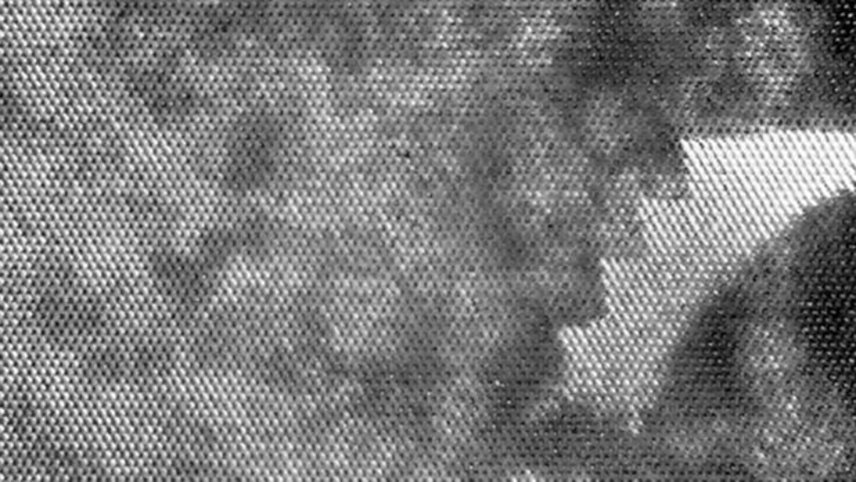
Ciné-crime / Ciné-crime
Maurice Blackburn (NFB)Canada, 1968, 8'38''
Through concrete soundtrack and evocative images, this animated short by Maurice Blackburn invites the audience to reconstruct the genesis of an event and give it a dimension commensurate with their imagination or courage. Maurice Blackburn (1914–1988) is considered one of the most important film music composers in Quebec, or Canada at large.

Igličasti ekran / Pinscreen
Alexandre Alexeïeff, Claire Parker (NFB)Canada, 1973, 38'44''
This documentary shares a behind-the-scenes look as husband and wife Alexandre Alexeïeff and Claire Parker demonstrate the pinboard technique of film animation they invented together. With a group of NFB artists and animators, they share and explore the techniques and astounding visual effects achieved by filming patterns and shadows created using 240,000 pins.
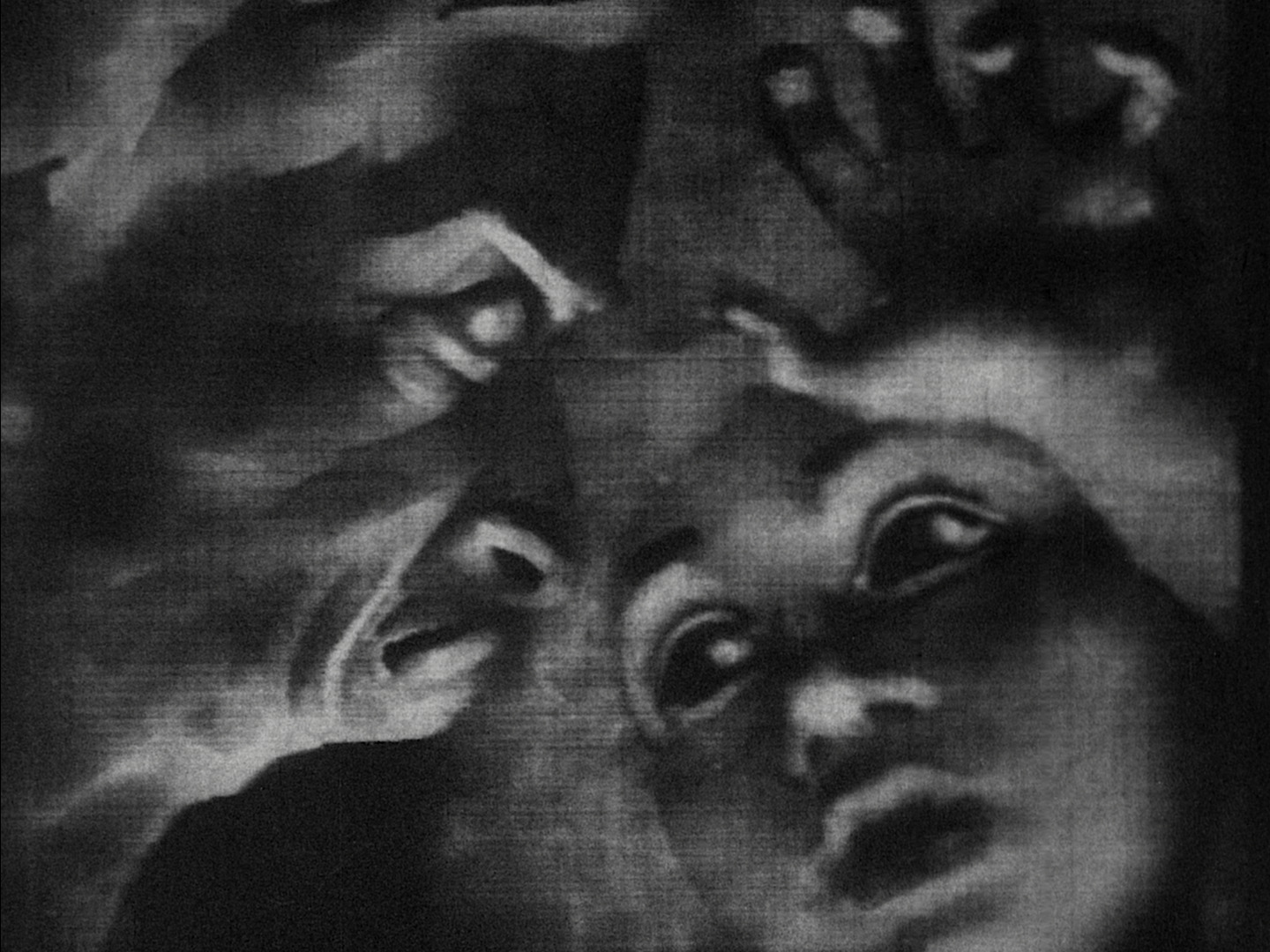
Noč na goli gori / Night on Bald Mountain
Alexandre Alexeïeff, Claire Parker (la famille Alexeïeff/Parker/Alexandre Rockwell)France, 1933, 9'10''
Mussorgsky’s composition is the soundtrack for this pin-screen animated take on night and wild things. A scarecrow blows down, clouds move by quickly. Beings take shape; a town appears, animals flee, and a horse gallops by. A child looks on. Monsters run and float by: the phantasmagoric is everywhere. A woman’s figure tumbles through space. A clash ensues. The horse falls. Goblins take control. The night and its denizens are relentless. Forms appear and become grotesque. Will dawn and calm ever come?
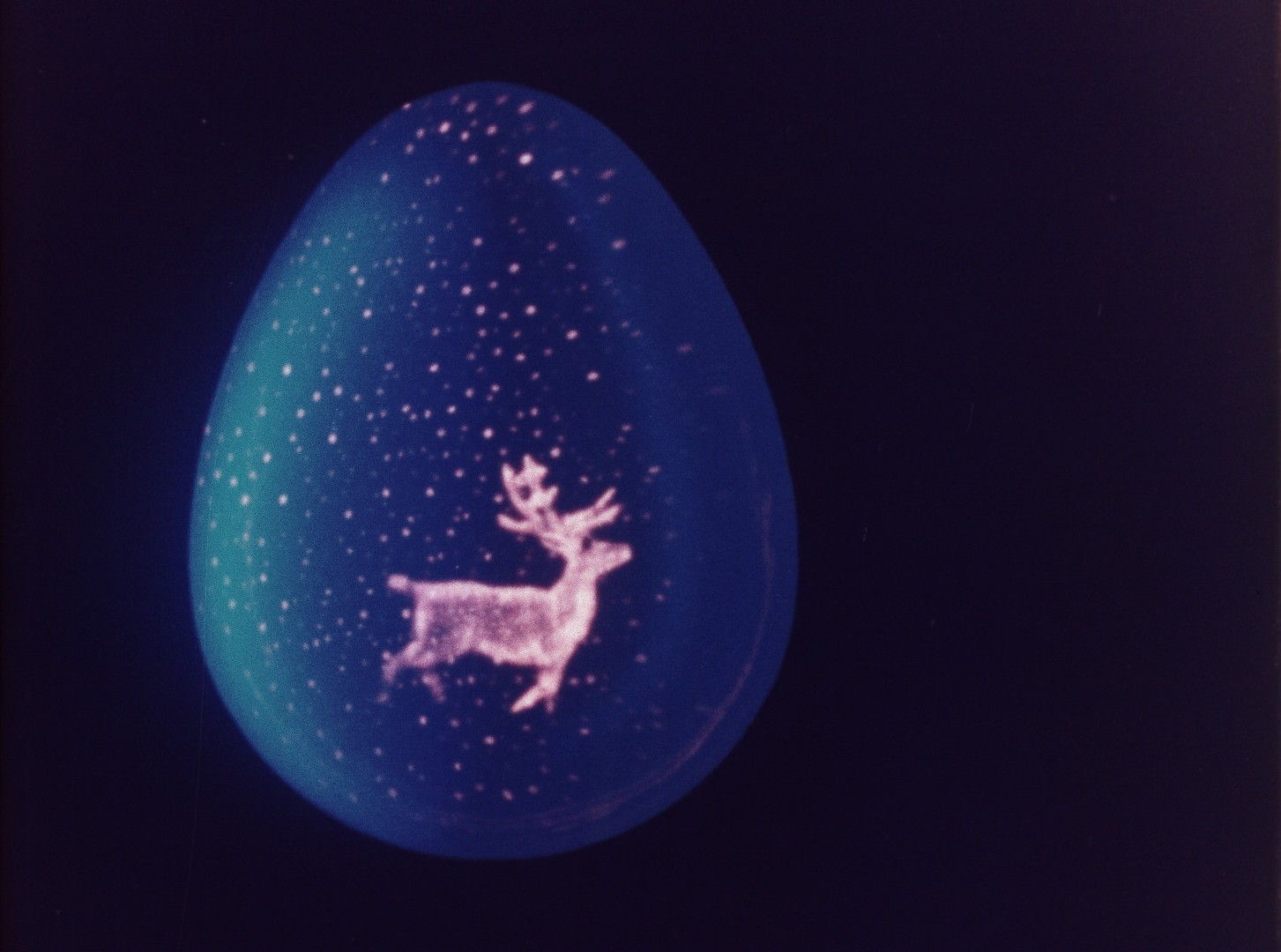
Quatre temps / Quatre temps
Alexandre Alexeïeff (Cineastes Associes)France, 1956, 1'17''
A drop of water bounces off a weave of Blizzand cloth. Figures come to life on the drop's surface, which the cloth never absorbs. An advertisement for Blizzand's raincoat.
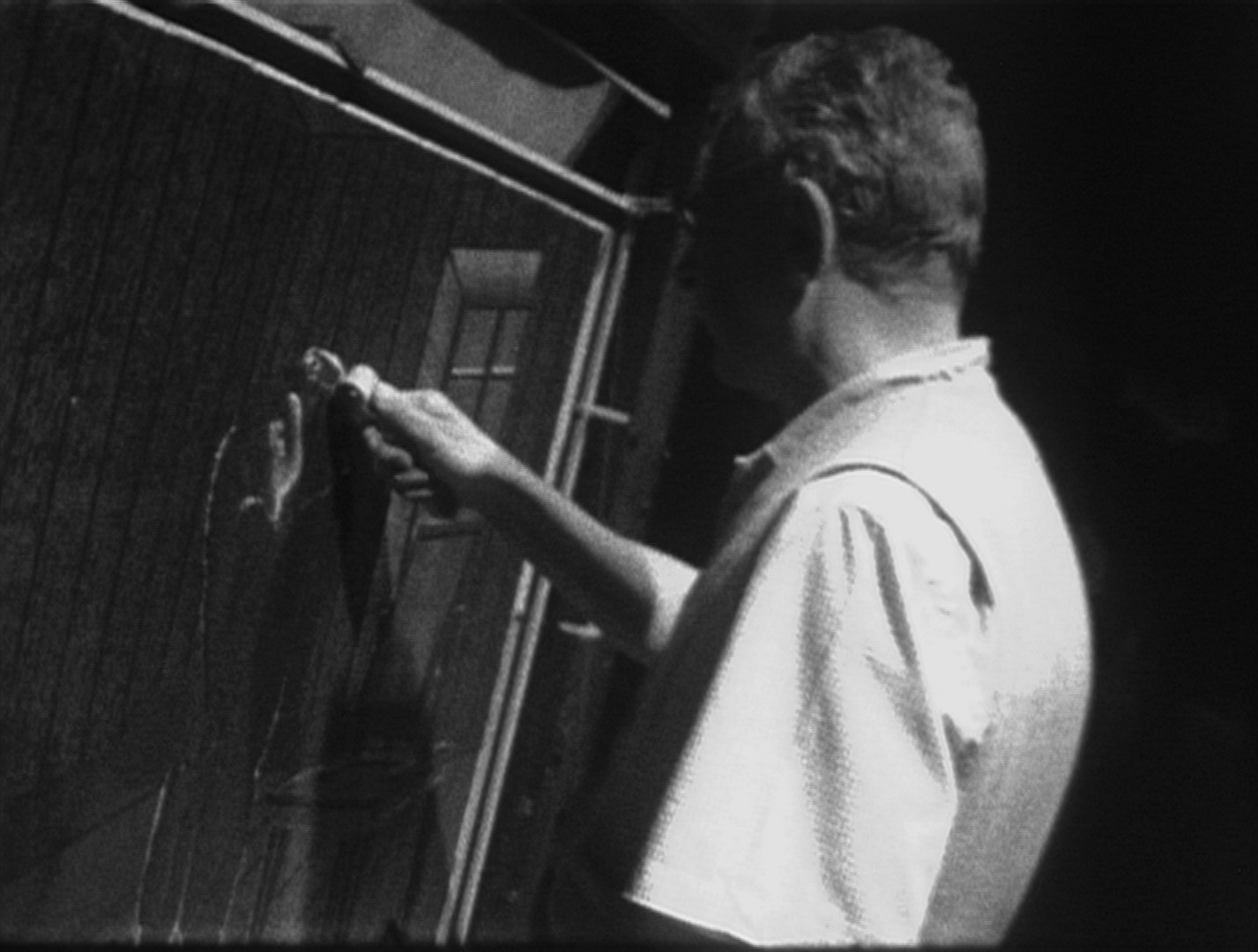
Alexeïeff v studiu med ustvarjanjem filma Nos: Dnevni delovni posnetki / Alexeïeff at Work on 'The Nose': Rushes
neznani avtor ()France, 1962, 2'35''
Alexandre Alexeïeff is at work in his studio on the large pin screen during the making of The Nose. The film was probably shot by Claire Parker.
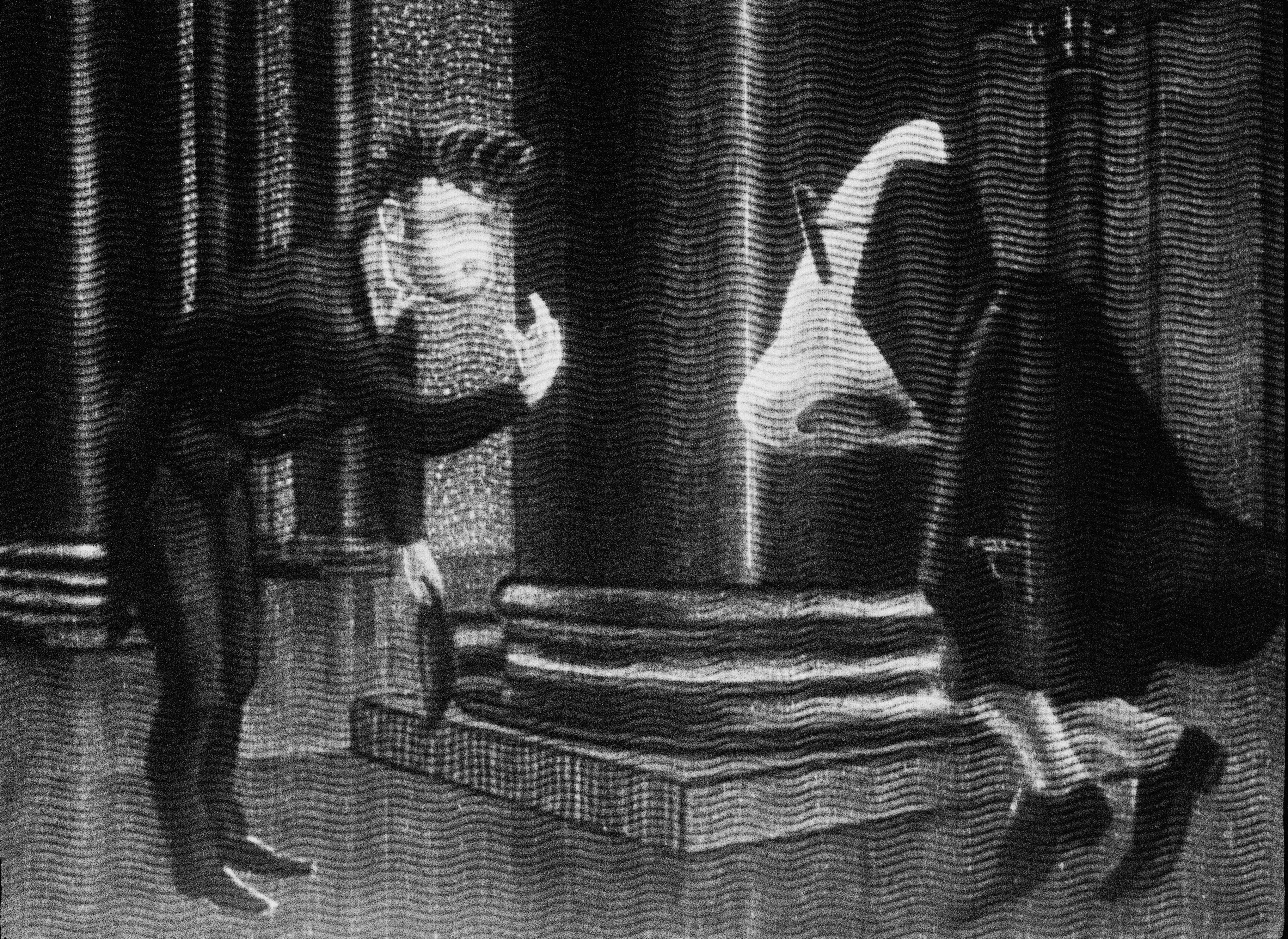
Nos / The Nose
Alexandre Alexeïeff, Claire Parker (Cinema Nouveau)France, 1963, 11'30''
A young Russian official awakens to find that his nose is missing. He then discovers that it is not only alive and well, it is wearing a splendid cape and has a higher rank in the civil service than he does! An adaptation of Gogol’s absurdist literary classic using the pinscreen animation of Claire Parker and Alexandre Alexeïeff.
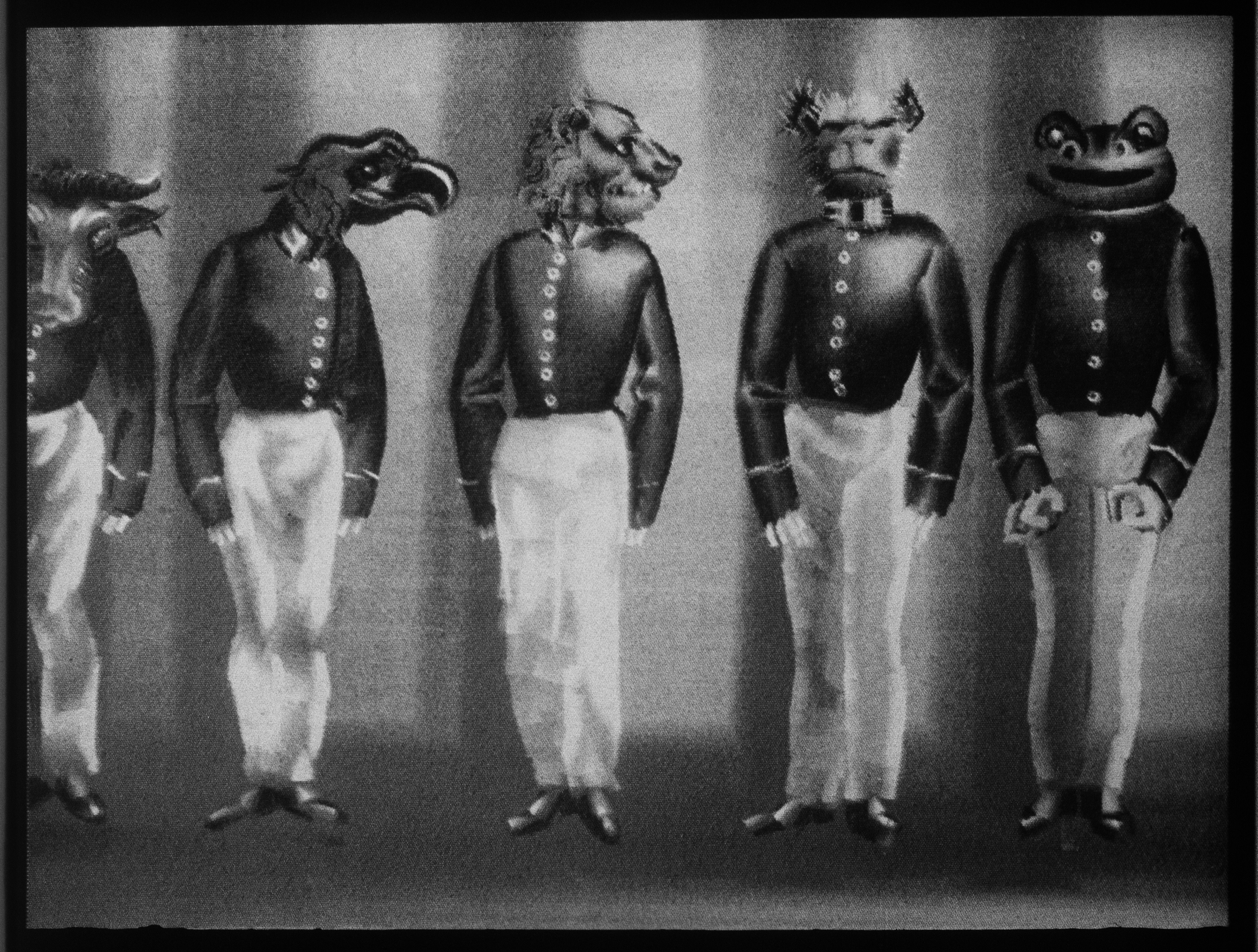
Slike na razstavi / Pictures at an Exhibition
Alexandre Alexeïeff, Claire Parker (Les Films Roger Leenhardt)France, 1972, 10'22''
Visualization of three of the ten pieces that Modest Mussorgsky composed for piano in 1874, inspired by the pictorial work of his friend and colleague Viktor Hartmann. Piano music by Alfred Brendel.