

Jacques Drouin (1943 – 2021) worked for the National Film Board of Canada. His career is associated with one of the rarest animation techniques in history: pinscreen. In the early 1970s, Alexandre Alexeïeff demonstrated the technique at the National Film Board of Canada and Drouin started experimenting with it. The Alexeïeff/Parker couple’s influence on the work of Jacques Drouin’s films is obvious, but Drouin developed his own style by exploiting all possibilities of the pinscreen. No other filmmaker has employed the device with such dedication since Alexeïeff himself. Consisting of a perforated board with 240,000 adjustable pins, the Alexeïeff/Parker pinscreen can be manipulated to create evocative moving images. Having made a series of notable pinscreen films with his wife Claire Parker, Alexeïeff gave one of his 10 prototypes to the NFB. Intrigued by its creative potential, Drouin made good use of the precious item—to the great pleasure of its elderly inventor—crafting remarkable animation like Mindscape (1976) and Imprints (2005). Recognized as the leading master of the technique, Drouin was called upon by the French Film Archives (CNC) in Paris to oversee the 2007 restoration of their own pinscreens.
Length: 92′
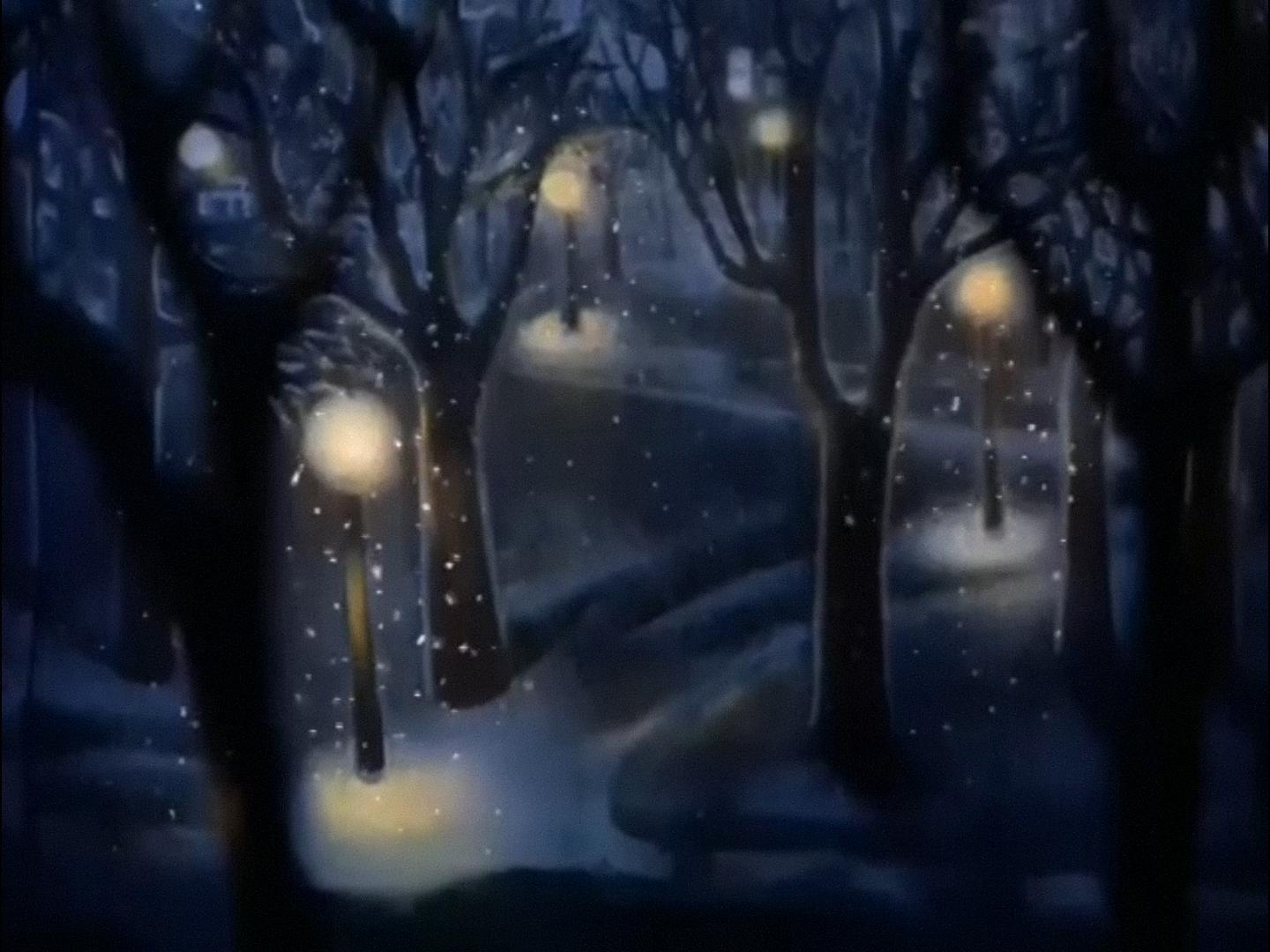
Nočni angel / Nightangel
Břetislav Pojar, Jacques Drouin (Kratky Film, NFB)Czech Republic, Slovakia, Canada, 1986, 18'40''
A seamless blend of puppet animation and the pinscreen technique is used in this evocative, romantic story of a man's obsession with a mysterious and benign spirit. When tragedy befalls him, he finds refuge in the love this nightangel has shown him.
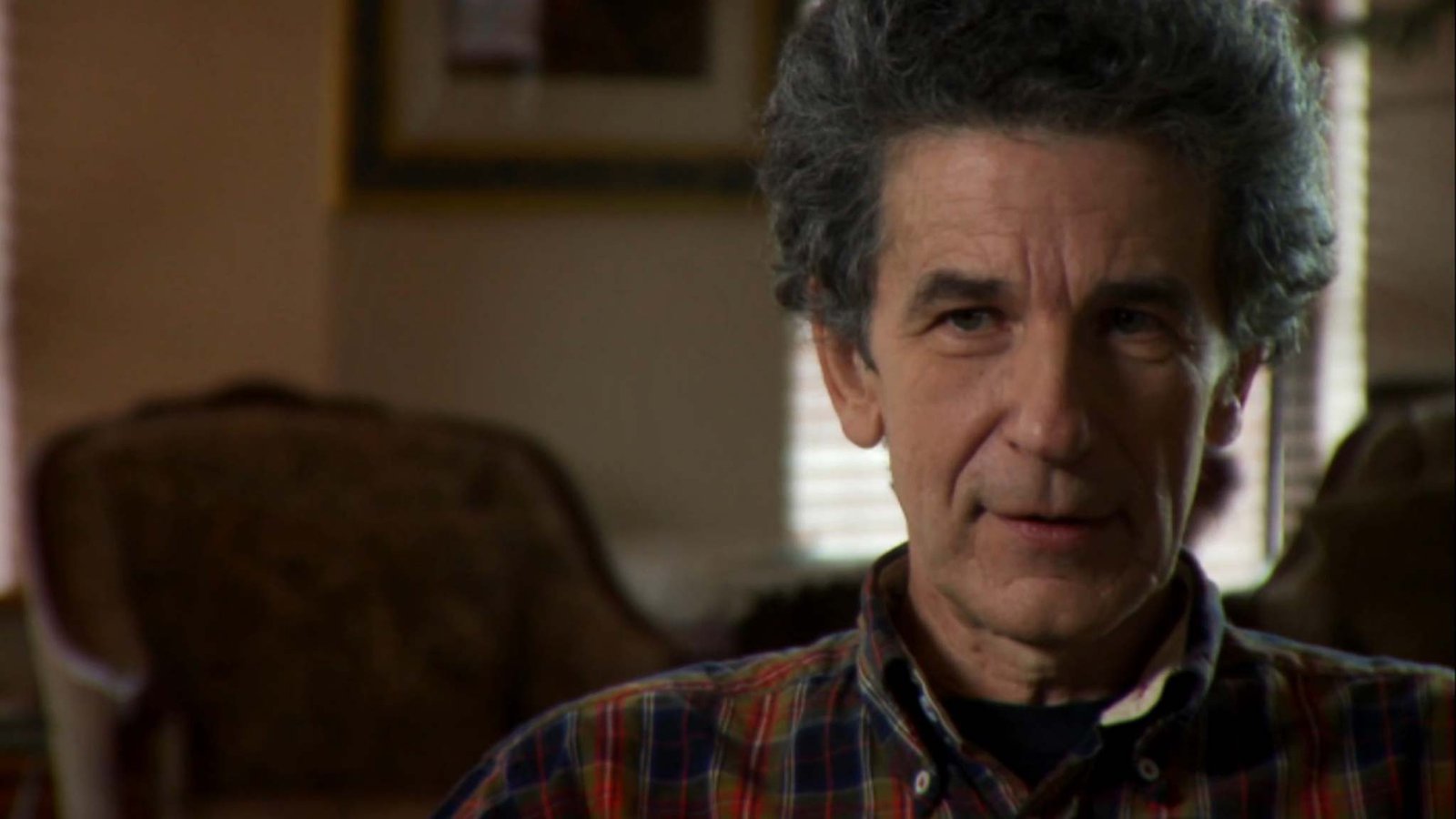
Jacques Drouin v reliefu / Jacques Drouin: In Relief
Guillaume Fortin (NFB)Canada, 2009, 40'50''
Portrait of Jacques Drouin, based on an interview in March 2009, from his childhood in eastern Quebec to his career with the National Film Board of Canada. Drouin inherited Alexandre Alexeïeff’s mantle when he began working with the Alexeïeff-Parker pinscreen in 1974. Drouin speaks of his relationship with the filmmaker and inventor, and he places each of his own works in context, giving a fascinating exposition of the creative process. Graced with many clips and previously unseen images from his personal archives, Jacques Drouin in Relief is both the celebration of a life’s work and a valuable lesson in cinema.
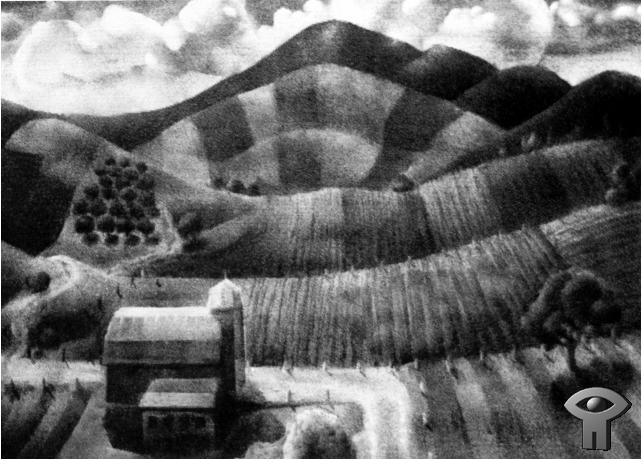
Krajinar / Mindscape
Jacques Drouin (NFB)Canada, 1976, 7'31''
A particularly creative example of the pinscreen animation technique, this film is about an artist who steps inside his painting and wanders about in a landscape peopled with symbols that trigger unexpected associations.
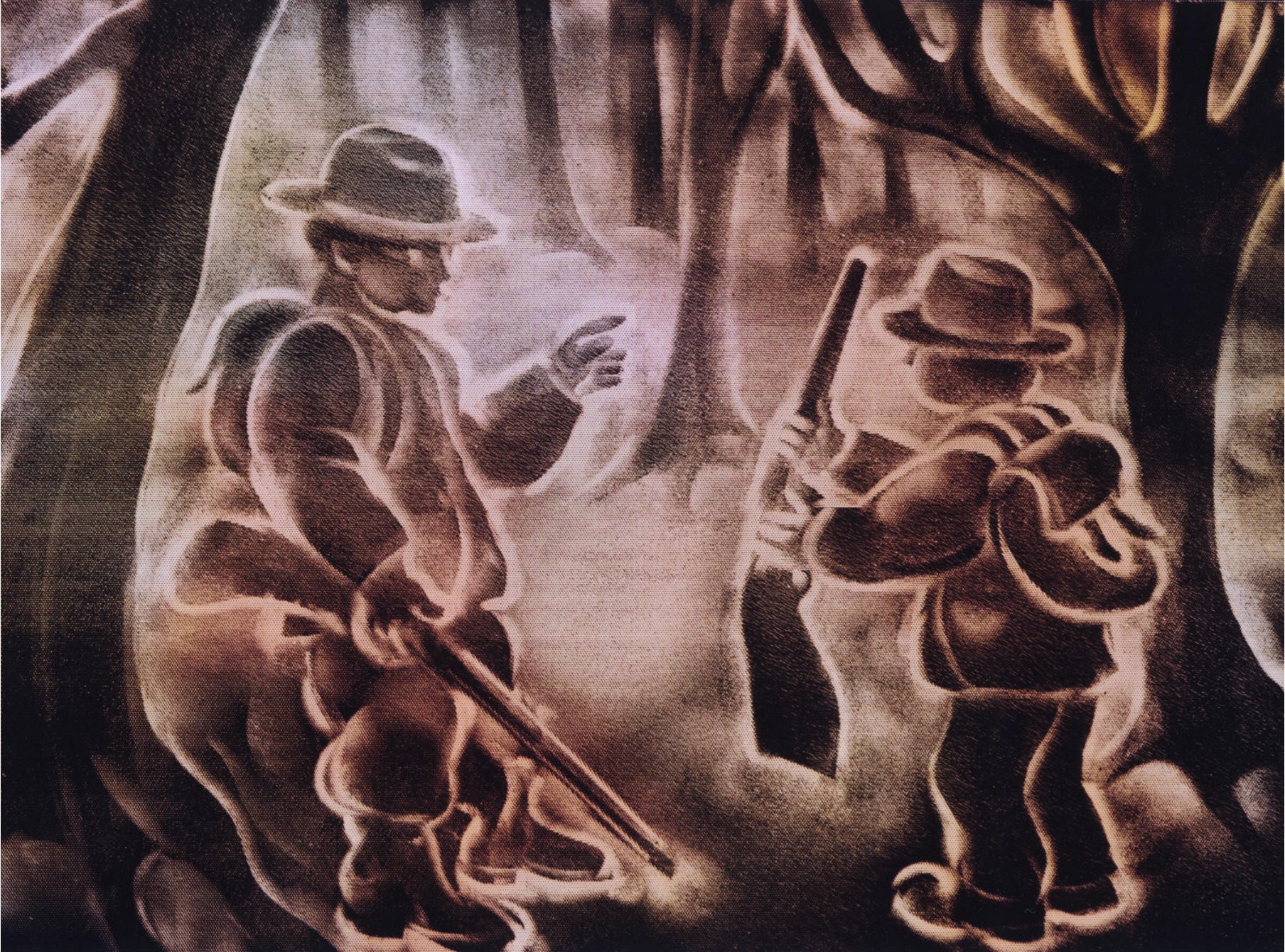
Učna ura lova / A Hunting Lesson
Jacques Drouin (NFB)Canada, 2001, 13'09''
This short animated film follows Antoine, a young boy fascinated by his mysterious neighbour, a man rumoured to have once been a big game hunter. Antoine is eager to learn about hunting, but the lesson he learns from the wise older man is not at all what he had expected: Antoine is left with a profound reverence for life. The film is based on Jacques Godbout’s book Une leçon de chasse, which was nominated for a 1997 Governor General's Award for children's literature.
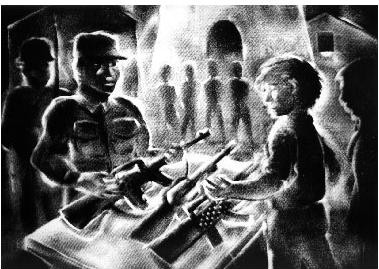
Bivši otrok / Ex-Child
Jacques Drouin (NFB)Canada, 2004, 5'02''
This short animation tells the story of a young boy and his father, both of whom are enlisted to fight in the war. The boy's pride soon turns to fear as the bullets whistle overhead. His father takes his place and is immediately shot and killed. Horrified, the boy understands that war is not a game. Based on article 38 of the United Nations Convention on the Rights of the Child, this film illustrates the right of children under the age of 15 not to be recruited into the armed forces.
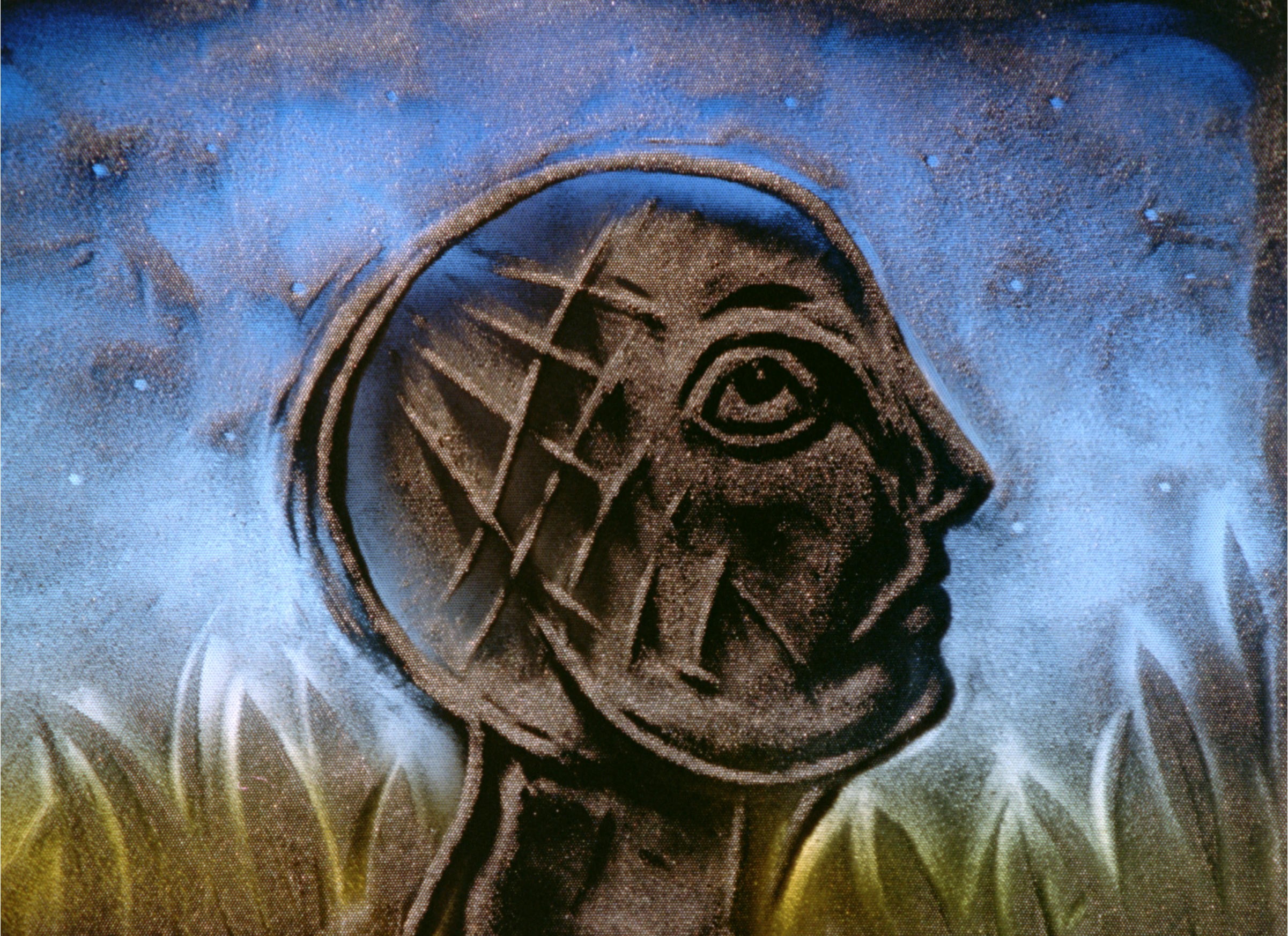
Vtisi / Imprints
Jacques Drouin (National Film Board of Canada)Canada, 2004, 6'22''
In this short experimental film, animator Jacques Drouin explores and highlights both sides of Alexeïeff-Parker’s pinscreen. Led by the repeated harmonies of a rondo for harpsichord by François Couperin, the film shows the filmmaker hurling himself into a hand-to-hand tussle with his own favourite instrument. Positioning the camera and lighting to reveal the relief formed by the pins, Drouin continually pivots the screen so that the viewer can glimpse the images hidden behind this mysterious screen.