

Pinscreen is a historical retrospective that brings together (nearly) all films made in this animation technique to date. Complementing this wealth of cinema are some of the key documentaries that introduce the pioneers and shed light on the history of this inspiring form of animation.
Length: 66′
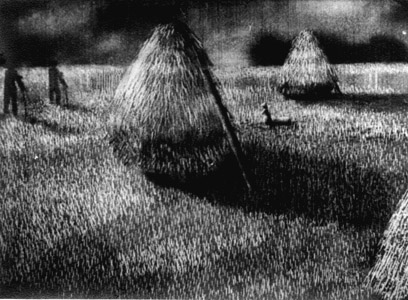
En passant: o procesu ustvarjanja filma / En passant: Making of
Alexandre Alexeïeff, Claire Parker (CNC, National Film Board of Canada)France, Canada, 1943, 5'00''
On the making of the film En passant: wide shots of several sequences from the film on the new pinscreen built by the authors in 1942, during their exile in the United States from 1940 to 1947.
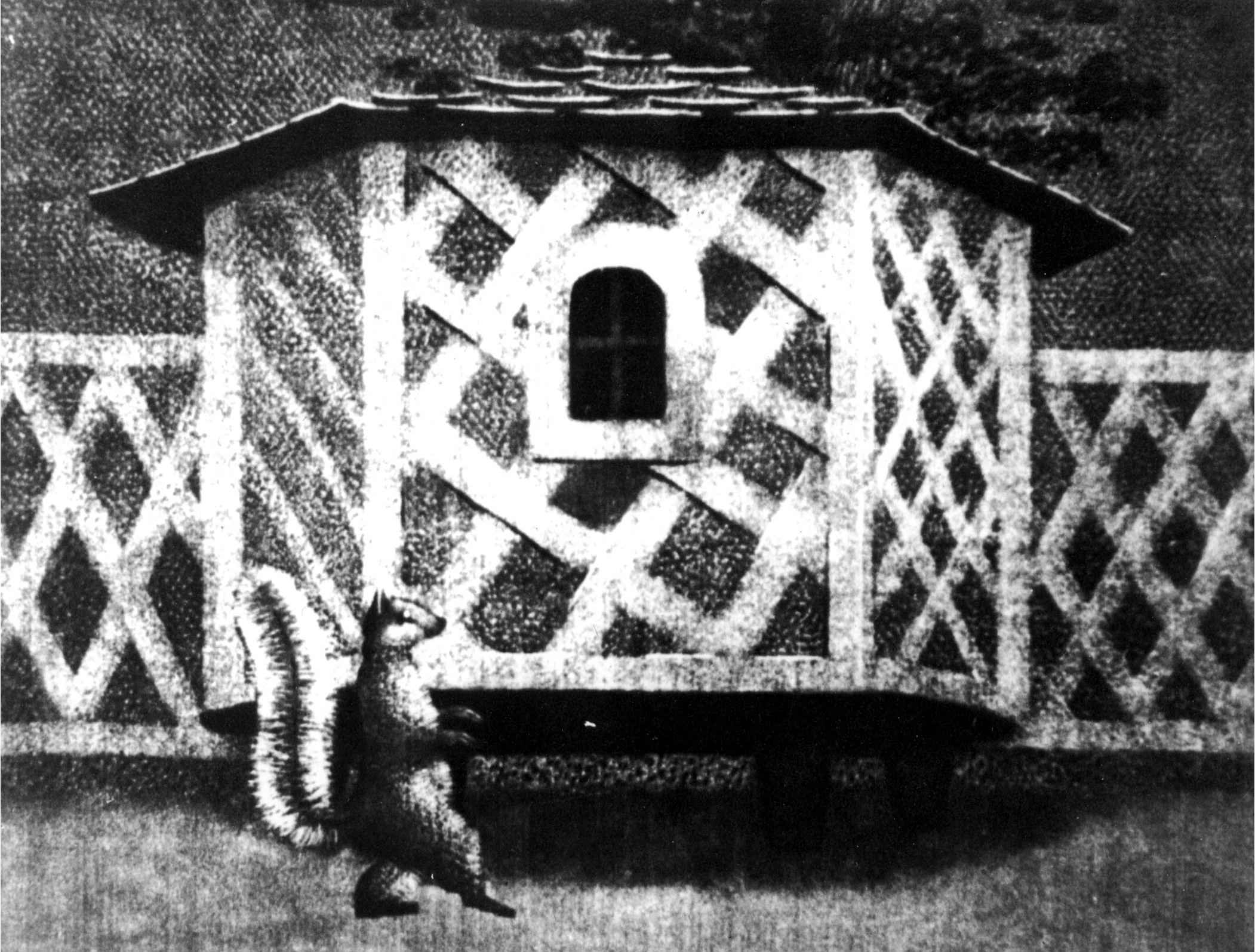
Chants populaires n.5 / Chants populaires n.5
Alexandre Alexeïeff, Norman McLaren (NFB)Canada, 1943, 6'00''
Alexandre Alexeïeff illustrated the song "Et moi je m'enfouiyais" (En passant) using the pinscreen technique. Norman McLaren illustrated "C'est l'aviron" using drawings on a fixed background, with the characters pasted in as they were drawn.
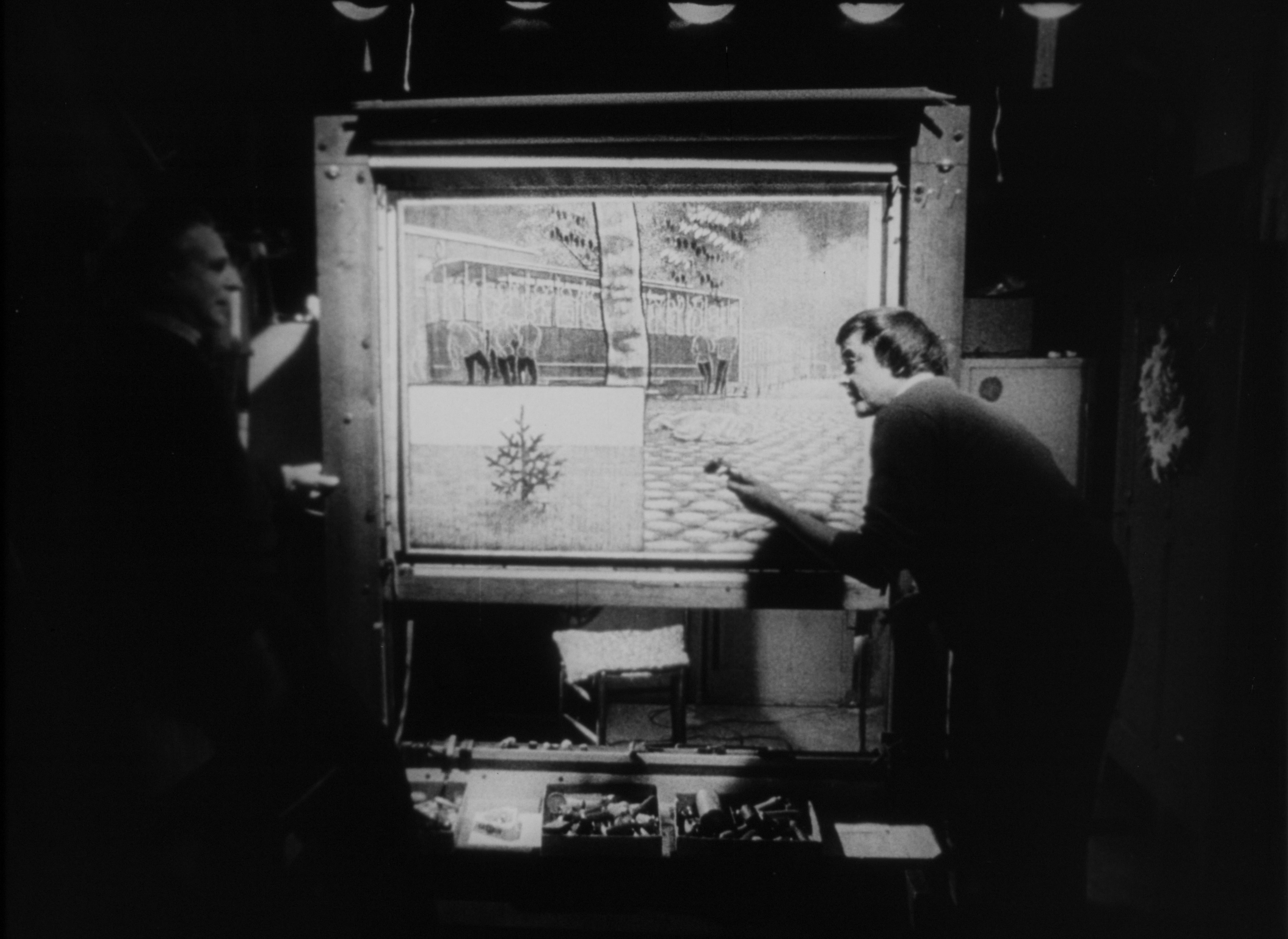
Med iglicami / At the Pinboard
Alexandre Alexeïeff, Claire Parker (Cinema Nouveau)France, 1960, 7'50''
Alexandre Alexeïeff and Claire Parker demonstrate the animation technique used to create illustrations for books like "Doctor Zhivago: The Illustrated Edition" and films such as The Nose and A Night on Bald Mountain.
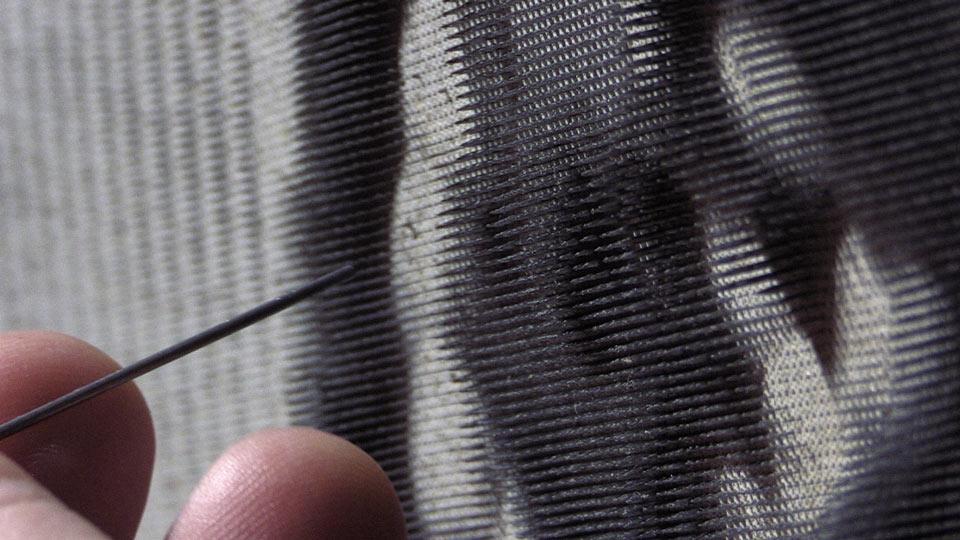
Zakaj igličasti ekran? / Why Pinscreen?
Brice Vincent (Bastille Films)France, 2024, 52'00''
The Pinscreen is a tool that was created in the 1930s to make animation films. Although it no longer provides any technical advantages, a handful of animation directors still use it. Filmed over a period of 10 years, this film explores why it is so important to create something handmade under constraints, in a time when everything is turning towards instantaneous digital technology. Brice Vincent had the opportunity to follow the research and development residency set up by the CNC and supervised by Michèle Lemieux, involving eight carefully selected candidates.